-1920w%20(1).webp)
The best gifts for a cataract surgery patient support rest, comfort, and a new eyedrop routine; think preservative-free artificial tears, wraparound sunglasses, audiobooks, and meal delivery rather than anything requiring lifting, bending, or screen time.
Someone you care about just had cataract surgery, and you want to do something thoughtful. Maybe you're not sure what they can and can't do right now, or you're worried about getting something that inadvertently makes recovery harder. That instinct to be careful is a good one, and this guide will help you find a gift that genuinely supports healing rather than getting in the way of it.
The good news is that cataract surgery has a relatively quick recovery. Most patients are back to normal daily activities within a few days to a week. But that first week does come with some real restrictions, and the best gifts are the ones that work with those limitations, not against them.
If you have a friend or loved one recovering from cataract surgery, you may find yourself wondering about thoughtful, practical gift ideas that won't interfere with the recovery process. Understanding the basics of cataract surgery recovery makes it easier to choose a helpful gift. Here's a quick summary of what your loved one is dealing with in the first several days after surgery:
In short: your loved one is resting, keeping their head above their waist, avoiding dusty or dirty environments, and managing a new eyedrop routine. The best gifts make that easier, more comfortable, and less boring.
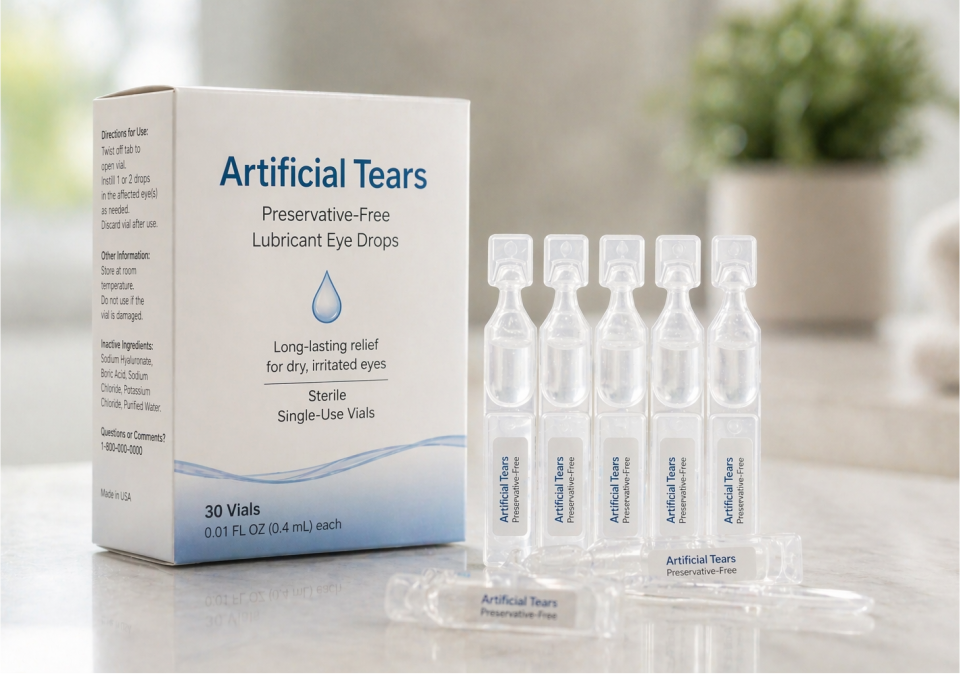
are one of the most practical gifts you can give, and one most patients go through quickly. Dry, gritty eyes are the most common complaint during cataract surgery recovery, and having a good supply of preservative-free lubricating eye drops on hand makes a real difference. Look for single-dose vials rather than multi-dose bottles, as preservative-free options are gentler on healing eyes. Your loved one will use them often, and they'll appreciate having extras on hand.

is a genuinely useful gift; one they'll use throughout recovery and well beyond. The healing eye is especially sensitive to light, and wearing wraparound sunglasses also prevents dust and other irritants from entering the eye. Look for 100% UV protection and a wraparound style that provides coverage from the sides.

fills the entertainment gap beautifully since screen time is restricted in the first couple of days and extended reading can cause eye strain early on. An Audible gift card, subscription to a podcast service, or a curated playlist of their favorite audio content lets them rest their eyes while staying engaged. This is especially appreciated by people who normally read a lot or aren't used to slowing down.

is one of the most genuinely appreciated gestures you can make. Simple, practical help like cooking makes a difference during recovery, since patients are often restricted from bending over and may not feel up to spending time in the kitchen. A gift card to a local restaurant that delivers, a meal delivery service subscription, or a home-cooked meal dropped off in a container they don't have to return are all excellent options. Bonus points for keeping it simple with easy-to-eat foods that don't require much preparation on their end. If you're local to Ellis County, consider supporting one of the great restaurants in Midlothian or Waxahachie while you're at it! Gifting locally is always a win.

lets a recovering patient play music, set medication reminders, check the weather, and control their environment entirely with voice commands, no squinting at a screen or fumbling with a phone required. For someone managing a precise drop schedule throughout the day, being able to say "remind me to take my drops in four hours" is useful. Be sure to offer to help with setup if this gift sounds like a good fit, and if they already have one, a gift card to expand their smart home setup works as well.

sounds simple, but don't underestimate it! Recovery involves a lot of resting, and something soft and cozy makes that feel more like self-care than confinement. Look for lightweight, breathable fabrics, nothing too heavy or hot, especially in a Texas spring or summer. A quality cotton or bamboo throw is a thoughtful, lasting gift.

are a genuinely practical choice for the first week of recovery. Pullover tops are actually a recovery hazard because they require raising your arms overhead and can accidentally bump the eye during dressing. Button-down or zip-front pajamas and loungewear are easy to put on and take off without any contortion, and they'll be worn and appreciated well beyond recovery.
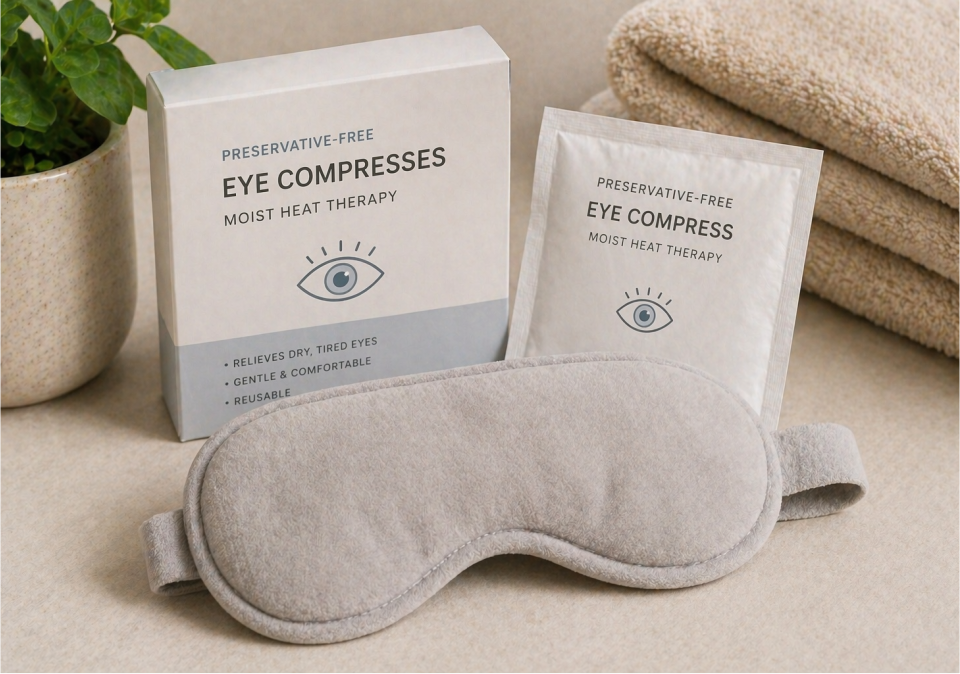
can help soothe mild irritation and support the glands along the eyelid that contribute to a healthy tear film. Look for a clean, microwaveable eye mask specifically designed for dry eye relief. Avoid anything with added fragrances or essential oils, and steer clear of products that apply pressure to the eye itself.
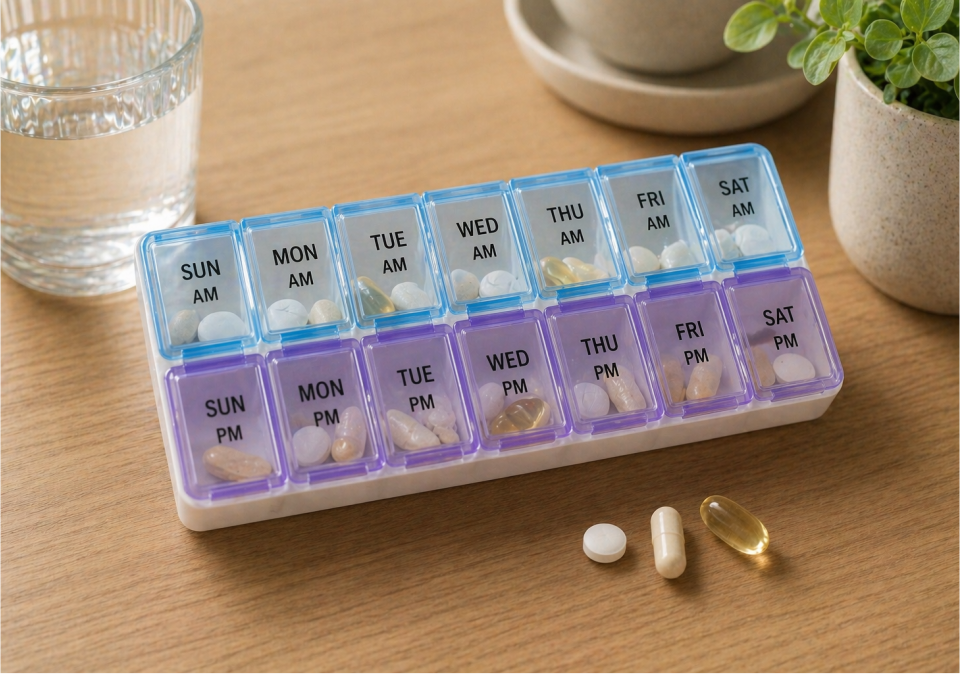
addresses a real daily challenge during recovery. Post-surgical eyedrop schedules can be surprisingly complex, consisting of multiple different drops, specific intervals, and a careful sequence that matters. A well-designed medication organizer or a pretty weekly pill tray can help your loved one stay on track without stress.

may be the most valuable thing on this list, and it doesn't cost much. Offering to give rides to follow-up appointments, do light household tasks, or simply sit and visit fills a gap that no product can. Recovery can feel isolating, especially when someone is used to being active and independent. A scheduled visit, a phone call to check in, or an offer to handle an errand goes a long way.
A few gift ideas that come up frequently but aren't ideal for cataract surgery recovery:

Irritants in the air, including pollen and heavy perfumes, can aggravate healing eyes. A potted succulent or simple arrangement of low-pollen blooms is a better call than a fragrant bouquet.

Anything that needs to be set up, unboxed with effort, or even carried in from the car is better saved for a few weeks down the road.
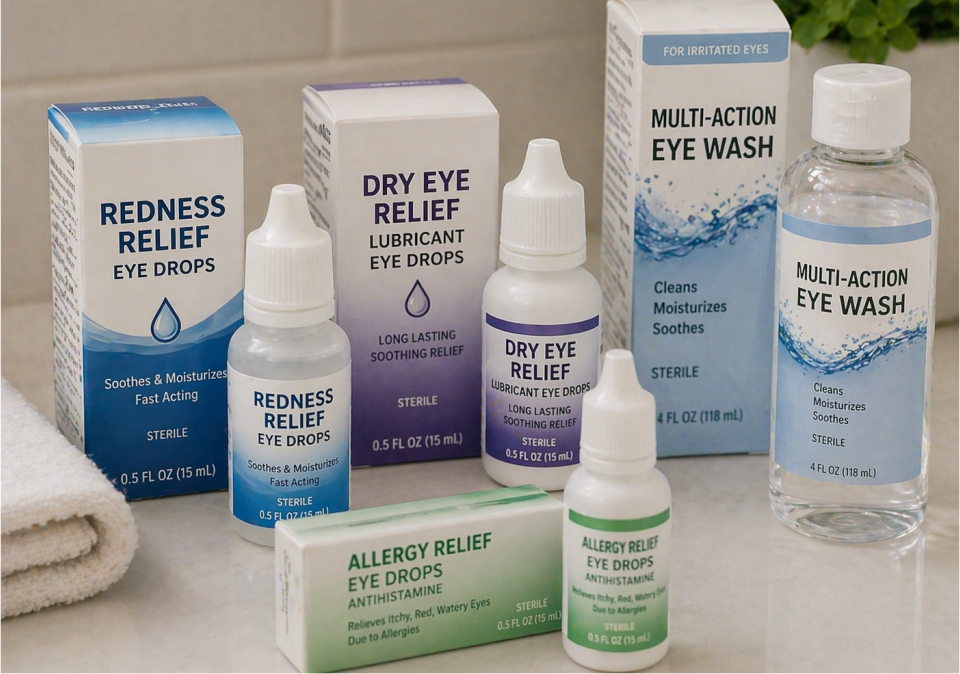
This is a well-intentioned gift, but the wrong drops can actually irritate a healing eye. Stick to preservative-free lubricating drops, and when in doubt, ask what they'd prefer.

It's recommended to avoid both weight-bearing exercise and bending over for one to two weeks following cataract surgery, so fitness-related gifts are best saved until after your loved one has been cleared to return to full activity.

The restrictions after cataract surgery are temporary and, in most cases, begin to ease within days. By four weeks, most people are back to their normal routines, enjoying clearer vision and greater independence. So while the gift ideas above are tailored to that first week or so, the most meaningful thing you can do is stay engaged through the whole recovery, not just the first days.
If your loved one had their surgery at Texas Eye and Cataract, their care team is checking in on them every step of the way. Our patients have access to our brand-new, state-of-the-art Everest Surgery Center in Midlothian as well as close follow-up care from a team that genuinely knows them.
The best gifts for someone recovering from cataract surgery are practical and low-effort. Top picks include preservative-free artificial tears, wraparound sunglasses, audiobooks or a podcast subscription, meal delivery, button-front pajamas, and your time. Avoid heavily fragranced flowers, gifts requiring assembly or lifting, non-preservative-free eye drops, and fitness gear until they've been cleared for full activity.
Texas Eye and Cataract serves patients throughout Ellis County and surrounding areas including Midlothian, Waxahachie, Mansfield, Cedar Hill, Duncanville, Ferris, Ennis, and Red Oak, Texas.

Share this on social media
The most practical gifts are preservative-free artificial tears, wraparound sunglasses, audiobooks or a podcast subscription, meal delivery, button-front or zip-front pajamas, a warm eye compress mask, and a drop or medication organizer. Offering your time for rides, errands, or company is also one of the most appreciated gifts of all.
Avoid heavily fragranced flowers, gifts that require lifting or assembly, eyedrops that are not preservative-free, and fitness or exercise-related gifts. These either pose a physical risk during recovery or aren't appropriate until the patient is cleared for full activity.
Most patients return to normal daily activities within a few days to a week. Restrictions on bending, lifting, and swimming typically ease within two to four weeks, and most patients are fully back to normal routines by the one-month mark.
Raising the arms overhead to pull on or remove a shirt can accidentally bump or put pressure on the operated eye during early recovery. Button-down or zip-front tops are a safer, more comfortable choice for the first week.
Screen time is generally recommended to be limited for the first one to three days after surgery, as it can cause eye strain during early healing. Audiobooks and podcasts are a great alternative during this period.

When it comes to eye care, identifying and understanding the differences between an optometrist ...

Vision is a priceless gift, allowing us to perceive the world, appreciate its beauty, and navig ...

This guide offers practical strategies and valuable insights for those seeking a proactive...

Cloudy vision after cataract surgery? Fast YAG laser restores clarity quickly today...
When it comes to eye care, identifying and understanding the differences between an optometrist ...

At Texas Eye and Cataract, we know how important it is to see life with clear vision. We understand that being your best means seeing your best.

At Texas Eye and Cataract, we know how important it is to see life with clear vision. We understand that being your best means seeing your best.


